1121 Sella Rice Suppliers in Pakistan: Complete B2B Buying Guide
The best 1121 Sella rice suppliers in Pakistan are the ones who can show you a written specification, a recent lab report, and a mill that actually processes what they sell. Price matters, but it is a poor first filter. Sella rice looks simple, a golden parboiled grain in a sack, yet two lots with the same name can differ a lot in colour, breakage, cooking behaviour and shelf life. This guide covers what 1121 Sella rice is, which specifications to ask for, how to compare suppliers, and what to expect from the export process, so your first order is easier to get right.
What 1121 Sella Rice Is and Why Importers Buy It
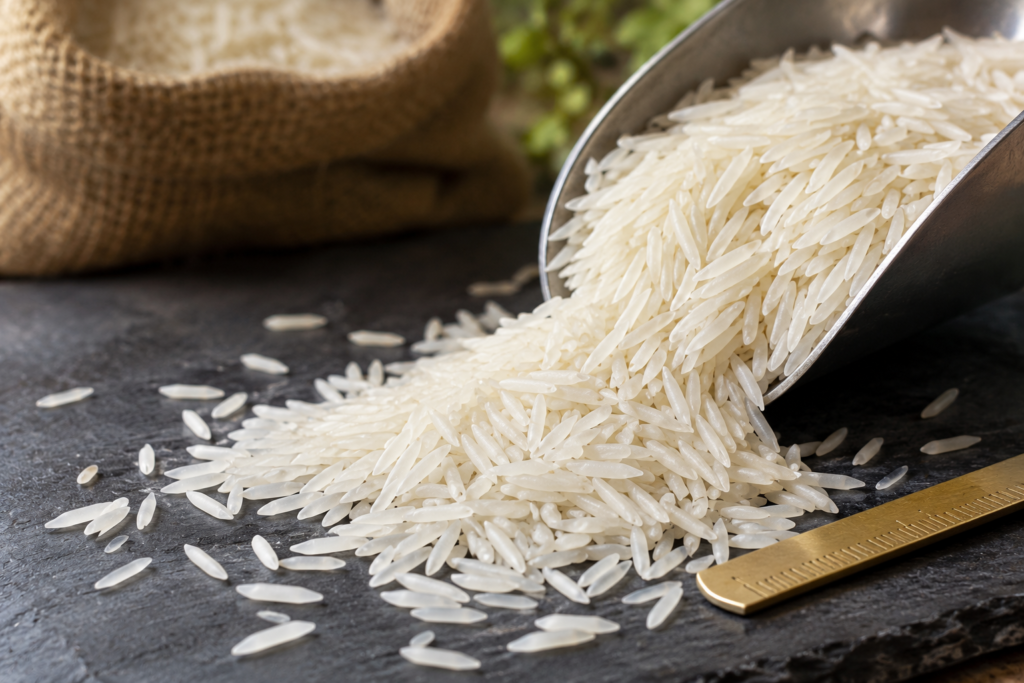
1121 is an extra-long-grain Basmati variety, valued for how far the grain stretches when cooked. “Sella” describes the processing: the rice is parboiled in the husk before milling. The result is a firm, golden-to-cream grain that handles heavy cooking far better than most raw rice.
That durability explains where Sella rice sells. Caterers, restaurants, biryani and pulao specialists, and institutional kitchens like it because the grains stay separate and hold their shape after long cooking and holding times. Wholesalers like it because it tolerates storage and transport better than delicate raw rice. In Gulf, African and South Asian diaspora markets, golden Sella is a staple for exactly these reasons.
The related term “steam” is often used loosely alongside Sella. Steam rice is usually parboiled with a lighter treatment and ends up whiter, while Sella tends to be golden. Always confirm in writing which colour and process you are buying, because suppliers use the terms differently.
How Sella Processing Changes the Rice
Parboiling has three stages: soaking the paddy, steaming it, and drying it before milling. The heat gelatinizes starch inside the kernel, and the grain hardens as it dries. Research on the process, such as a study indexed by FAO’s AGRIS database on soaking and steaming regimes, shows that soaking temperature and steaming time change head rice yield, chalkiness and cooked texture.
For buyers, that science translates into practical points:
- Fewer broken grains after milling, because the hardened kernel resists breakage.
- A firmer bite and slightly longer cooking time than raw 1121.
- Better storage behaviour, since the grain is less fragile.
- Colour that depends on process control. Over-steaming or poor drying can give uneven, dark or patchy lots.
The last point is where suppliers separate. Consistent colour across a 20-tonne lot, and across repeat orders, is a sign of good process control.
Specifications to Request From 1121 Sella Rice Suppliers
Do not ask for “good quality Sella rice.” Ask for numbers, and ask that they appear in the contract. A solid inquiry covers the following.
| Parameter | What to confirm |
|---|---|
| Grain length | Average raw grain length. Saremco Impex’s published grading guide places 1121 Steam and Sella at roughly 8.0–8.4 mm raw. |
| Cooked elongation | Expected length after cooking and the test method used. |
| Colour | Golden, cream or white, ideally with a reference sample. |
| Broken grains | Maximum percentage, and whether this is by weight. |
| Purity and admixture | Minimum purity and the allowed share of other varieties. |
| Moisture | Maximum moisture at loading. |
| Foreign matter and damaged grains | Maximum limits, plus any discoloured or chalky kernels. |
| Crop year and ageing | Which harvest the rice comes from, and how long it was aged. |
| Packing | Bag type, net weight, and labelling language. |
Treat any numbers you read online, including those in this article, as starting points. Specifications vary between suppliers and grades, so the figures that count are the ones in your signed quotation and contract. For a deeper look at grade levels and typical use cases, see Saremco Impex’s article on 1121 Sella basmati rice uses, grades and export specs. If you are still learning how Basmati varieties differ, this guide to how Basmati rice is graded for export markets is a useful companion.
How to Evaluate 1121 Sella Rice Suppliers in Pakistan
A professional-looking website is not proof of a good supplier. These checks do more.
1. Ask who actually mills the rice. Some sellers are traders who buy ready-made lots. That can work, but it makes consistency harder to control. A supplier with its own mill or a close mill relationship can tell you how the paddy is parboiled, dried, sorted and packed.
2. Request a sample that matches the production lot. A hand-picked sample proves little. Ask whether the pre-shipment sample comes from the lot you are buying, and keep a sealed reference sample for comparison on arrival.
3. Check the sorting process. Optical colour sorting matters more for Sella than for raw rice, because parboiled lots can carry stray dark or chalky kernels that spoil the look of a pack.
4. Look for independent testing. Third-party inspection before shipment, such as a certificate of analysis from a recognised inspection company, gives you evidence beyond the seller’s word.
5. Read the documents list before the price list. A serious exporter can describe the paperwork your destination will need, and does not leave it until the vessel is booked.
6. Ask for buyer references. Importers who already purchase from a supplier can tell you about consistency, complaint handling and shipping reliability, which no brochure can.
7. Compare quotations on equal terms. One offer may be FOB Karachi and another CIF your port. Different broken percentages, bag types or crop years can also hide an apparent price gap. Put every quote into the same terms before judging it.
Packaging, Containers and Private Label
Sella rice is sold in many formats, and the right one depends on your channel.
- Retail packs in small pouches for supermarkets and grocery chains.
- Mid-size bags of 5 to 25 kg for wholesale and restaurant supply.
- Large bags and jumbo totes for bulk buyers who repack locally.
- Private-label packing with your own brand, artwork and language requirements.
Confirm the bag material, whether it is woven polypropylene, non-woven or jute, along with net weight tolerance and print specifications. If the rice is going into humid ports or long storage, ask how moisture protection is handled. Sella’s stability helps, but it does not make poor packaging irrelevant.
Export Documents and Compliance: What to Expect
Paperwork requirements depend on the destination country, so confirm them with your own authorities before you order. As a general pattern, buyers should expect to discuss:
- Commercial invoice and packing list
- Bill of lading
- Certificate of origin
- Phytosanitary certificate
- Certificate of analysis or inspection report
- Any destination-specific declarations, such as pesticide residue or halal documentation
On the Pakistani side, rice export clearance now runs through an electronic system. A Pakistan Single Window circular explains that rice consignments under the listed HS codes are cleared through a single declaration, with the electronic phytosanitary certificate issued by the Department of Plant Protection. Exporters familiar with this system tend to move shipments faster.
On the importing side, residue limits, labelling rules and testing requirements differ between markets, and they change. Ask your supplier what they have shipped to your country before, then verify the current rules with your own food safety and plant health authorities.
Sourcing 1121 Sella Rice From Saremco Impex
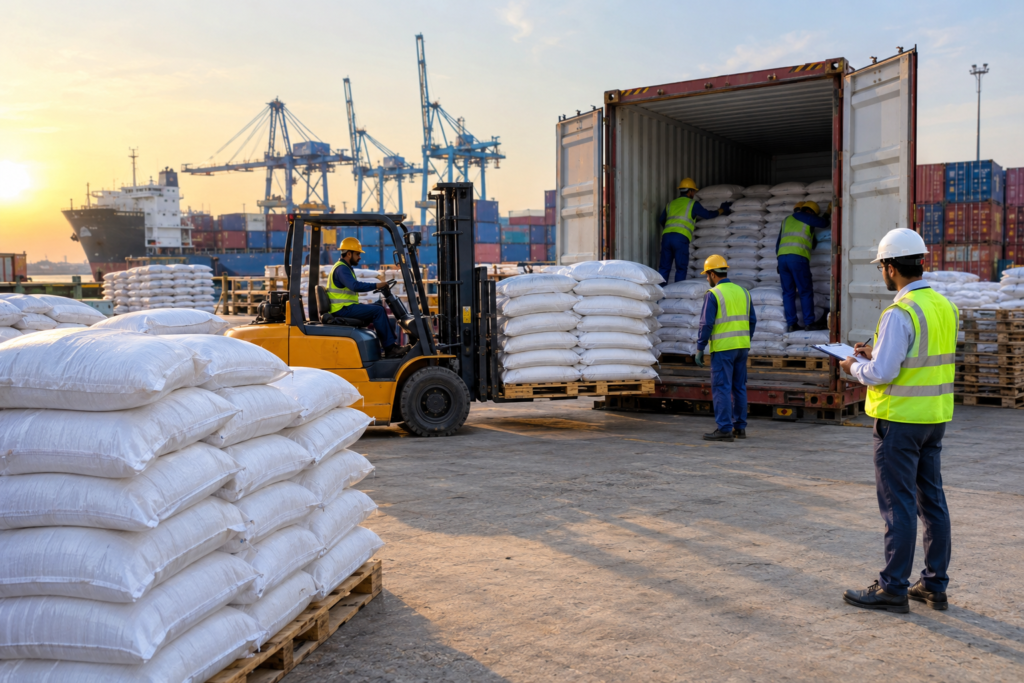
Saremco Impex Private Limited is the international export and trading arm of Daa Group, based in Lahore. Its rice is milled at its Pasrur Rice Mill in Punjab, and the company lists computerized sorting, laboratory testing, and export packing among its processes.
For Sella buyers, the relevant range sits under Daa Heritage Rice, the company’s premium Basmati brand. Daa Heritage covers Super Kernel Basmati and the 1121 family, including 1121 Steam and Sella in golden and white options. The separate Daa Prime Rice brand covers commercial non-Basmati varieties such as PK-386, IRRI-6 and IRRI-9, so it is a different product line for a different type of buyer. You can read how the two are positioned on the Saremco Impex brands page.
Based on the company’s published information, buyers can discuss:
- Retail, wholesale and bulk packaging, including private label
- FOB, CFR, CIF and DAP quotations
- Shipments through Karachi and Port Qasim
- Certificates of analysis, phytosanitary certificates and related export documents on request
Certification and inspection details can vary by product and shipment, so ask for the current documents that apply to your order rather than assuming they cover every lot. A good supplier will not mind that request.
Mistakes Buyers Make When Choosing a Sella Rice Supplier
A few errors come up repeatedly in bulk rice purchasing:
- Buying on price alone, then discovering the broken percentage or colour is not what was discussed.
- Approving a sample but not locking the specification into the contract.
- Ignoring crop year. Older, well-aged rice and fresh-crop rice behave differently in the pot.
- Leaving documentation until late, which risks delays at the destination port.
- Skipping a trial order. A single container is a sensible way to test a new supplier before committing to larger volumes.
Conclusion
Finding reliable 1121 Sella rice suppliers in Pakistan comes down to evidence: clear specifications, samples tied to real production lots, independent test reports, and an exporter who understands the paperwork for your market. Compare quotes on the same terms, pay attention to colour consistency, and treat documentation as part of the product.
If you are sourcing 1121 Sella or Steam rice for import, wholesale or private-label supply, you can contact the Saremco Impex team to ask about specifications, samples, packaging options and export quotations for your destination.