Himalayan Salt Lamps: Do They Really Work? Separating Evidence from Marketing Claims
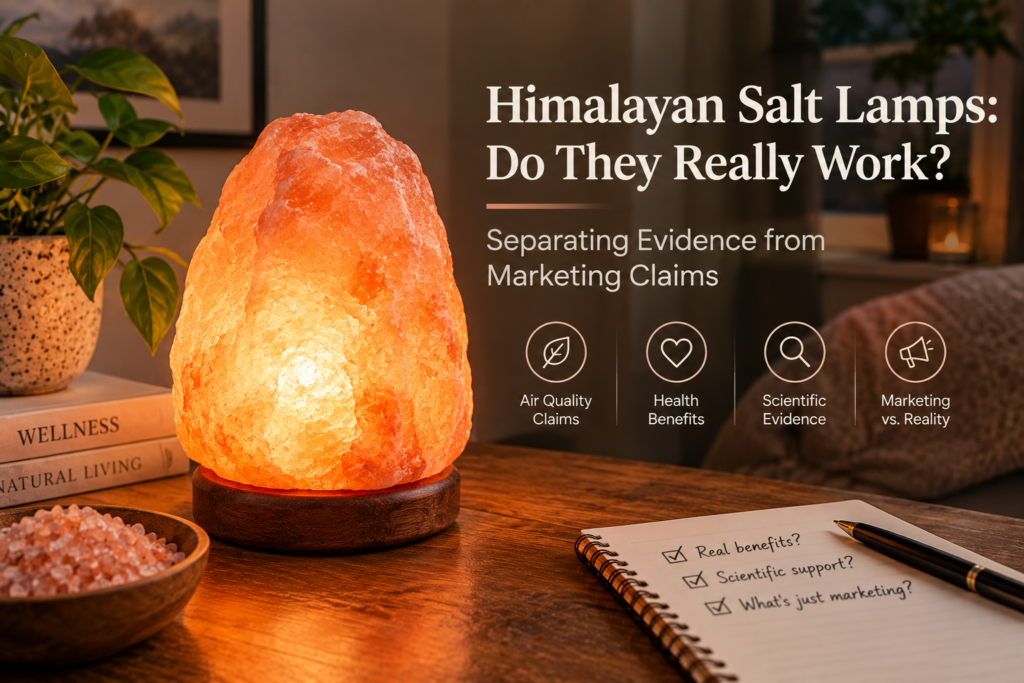
The soft, pinkish glow of a Himalayan salt lamp has become a fixture in wellness stores, yoga studios, and home interiors worldwide. But beneath the aesthetic appeal lies a critical question that many buyers ask before making a purchase: Do these decorative lamps actually deliver on their promised health benefits, or are they simply atmospheric decor?
The answer, supported by scientific research, is more nuanced than the marketing suggests.
What Himalayan Salt Lamps Actually Are
Himalayan salt lamps are carved from rock salt sourced primarily from the Khewra Salt Mine in Khewra, Jhelum District, Punjab, Pakistan. The salt—distinguished by its natural pink, reddish, or amber hues—is hollowed out, fitted with a light bulb inside, and designed to emit a warm glow when lit. The lamps are created from pink salt from near the Himalayan mountain range, though many fake ones are sold online or in stores.
The popularity of these lamps has surged in recent years, with manufacturers and wellness retailers marketing them as air purifiers, mood enhancers, and respiratory aids. Consumers seeking natural home wellness solutions have embraced them widely. But what does the actual science tell us?
The Claims: What Salt Lamps Supposedly Do
Manufacturers and retailers typically promote several health-related claims about salt lamps:
Air Purification Through Hygroscopy
One of the most common assertions is that salt lamps purify the air through a process called hygroscopy—the absorption of water molecules from the surrounding environment. According to this theory, when water vapor touches the lamp’s warm surface, it evaporates, and any contaminants trapped in that moisture remain on the lamp.
Negative Ion Emission
Another popular claim involves negative ions. The marketing narrative suggests that salt lamps release negative ions into the air, which then purify the environment and enhance human wellbeing. Proponents argue that negative ions boost mood, improve sleep, and increase energy levels.
Respiratory and Allergy Relief
Some vendors claim that salt lamps can reduce allergy symptoms and improve respiratory function, particularly for people with asthma or other breathing conditions.
The Scientific Reality
According to Dr. Vyas from Cleveland Clinic, “There’s not a lot of evidence to support the idea that Himalayan salt lamps provide some – if any – of the supposed health benefits.” This assessment aligns with broader scientific consensus on the topic.
Air Purification: Limited Evidence
Despite the popularity of Himalayan salt lamp benefits claims, there is currently no strong scientific evidence proving that these lamps can purify air or significantly improve physical health. Researchers have studied air purification methods, and generally, devices like HEPA filters are far more effective than salt lamps.
A study conducted by researchers at Johns Hopkins University found that salt lamps had no effect on air quality and were unable to remove contaminants from the air.
The hygroscopic effect does occur—salt does absorb moisture. However, the hygroscopic process happens on a very small scale and doesn’t meaningfully remove toxins or allergens from a room.
Negative Ions: Theory Versus Practice
While negative ions do exist in nature and some research suggests they may have minor psychological effects, negative ion production by salt lamps is significantly lower than in natural environments like forests and waterfalls. The idea that salt lamps produce enough negative ions to impact health remains unproven.
The 1998 study often cited by salt lamp advocates involved high-intensity negative ion treatment for seasonal affective disorder—conditions far removed from a decorative indoor lamp emitting minimal ions.
No Evidence for Health Claims
No scientific evidence supports claims that Himalayan salt lamps cure asthma, detox a room, or provide other medical benefits. Regulatory agencies, including those governing wellness products, have found insufficient evidence to support the marketed health claims.
Where Authentic Himalayan Salt Comes From
Understanding the source of your salt lamp matters for authenticity and quality. The salt is mostly mined at the Khewra Salt Mine in Khewra, Jhelum District, Punjab, Pakistan, which is situated in the foothills of the Salt Range hill system between the Indus River and the Punjab Plain.
No other country has a commercial deposit of the same pink halite formation. The geology of the Salt Range is unique: a 250-kilometer hill system that contains the only large-scale pink salt deposits on Earth. This means every authentic Himalayan salt lamp sold globally originates from this single geological location.
When sourcing a salt lamp, authenticity matters not only for genuineness but also for supporting ethical mining practices and fair trade. Suppliers like Saremco Impex specialize in Himalayan salt products sourced directly from Pakistan’s traditional mining regions.
So What Are the Real Benefits?
While health claims fall short scientifically, this doesn’t mean salt lamps are entirely without merit.
Aesthetic and Ambiance Value
Salt lamps genuinely provide a warm, soft light that many find aesthetically pleasing. They bring a warm and natural charm to your bedroom, living room, or other living spaces, offering a soft amber glow that provides a soothing and organic touch.
Psychological Comfort
While the direct physical benefits are limited, the psychological and environmental effects are real. The calming glow and decorative appeal can create a relaxing atmosphere, which has genuine value for home comfort and ambiance—just not through the mechanisms manufacturers claim.
If you appreciate the warm lighting and enjoy the aesthetic, a salt lamp serves a legitimate purpose as home décor. The mistake is attributing the comfort you feel to air purification or negative ions when it’s actually the result of pleasant lighting and visual appeal.
Identifying Authentic Himalayan Salt Lamps
If you choose to purchase a salt lamp, authenticity ensures you’re getting genuine rock salt rather than synthetic alternatives. Signs of authentic Himalayan salt lamps include natural color variation from pale pink to deep amber-orange, hygroscopic behavior in humid conditions where the lamp will occasionally sweat, weight-based sizing for lamps rather than precise uniform dimensions, and verifiable Pakistani sourcing.
Fake salt lamps are common in online marketplaces. Authentic lamps are heavier, more fragile, and produce a dimmer light than counterfeits. They’re also irregular in shape and color—uniformity actually indicates a manufactured product rather than natural salt.
The Bottom Line: Making an Informed Decision
Himalayan salt lamps are decorative items that create a pleasant ambiance through warm lighting. They’re not air purifiers; they don’t significantly alter your home’s ionic balance, and they won’t cure respiratory conditions. Himalayan salt lamps are best understood as decorative lighting rather than health devices.
If you enjoy the look and feel, there’s no harm in having one—many people report that they appreciate the calming atmosphere. Maintain realistic expectations about what the lamp can actually do. If you’re looking for genuine air purification, HEPA filters remain the scientifically supported option. If you’re seeking mood or sleep improvements, evidence-based approaches like exposure to natural light, exercise, and sleep hygiene are more effective.
The wellness industry thrives partly because genuine comfort matters—and if a beautiful salt lamp makes your space feel more peaceful, that value is real, even if it operates through aesthetics rather than ionic science.
FAQ
Do Himalayan salt lamps really purify the air?
No. While they absorb some moisture through hygroscopy, they don’t effectively remove contaminants or allergens. HEPA filters are far more effective for air purification.
Can salt lamps help with sleep or mood?
Limited evidence suggests this. Any benefits likely come from the calming ambiance and soft light rather than negative ions or salt properties. Standard lighting and relaxation practices are more reliable for sleep improvement.
Are all Himalayan salt lamps the same?
No. Authentic lamps come from Pakistan’s Khewra Salt Mine and have natural color variation, fragility, and weight. Many sold online are synthetic counterfeits designed to look similar.
Should I use a salt lamp if I have respiratory issues?
Not as a treatment. If you have asthma or other respiratory conditions, consult a healthcare provider. A salt lamp won’t provide medical benefits, though you might enjoy it for ambiance.
Where does authentic Himalayan salt come from?
All authentic Himalayan salt is sourced from the Khewra Salt Mine in Punjab, Pakistan. This is the only commercial source of genuine pink Himalayan salt worldwide.
Can I use a salt lamp for decorative purposes if the health claims aren’t proven?
Absolutely. Many people enjoy salt lamps purely for their aesthetic appeal and warm lighting. They make attractive home décor—just with the understanding that they’re decorative, not therapeutic.
info@saremcoimpex.com