What Is 1121 Basmati Rice? A Complete Buyer’s Guide
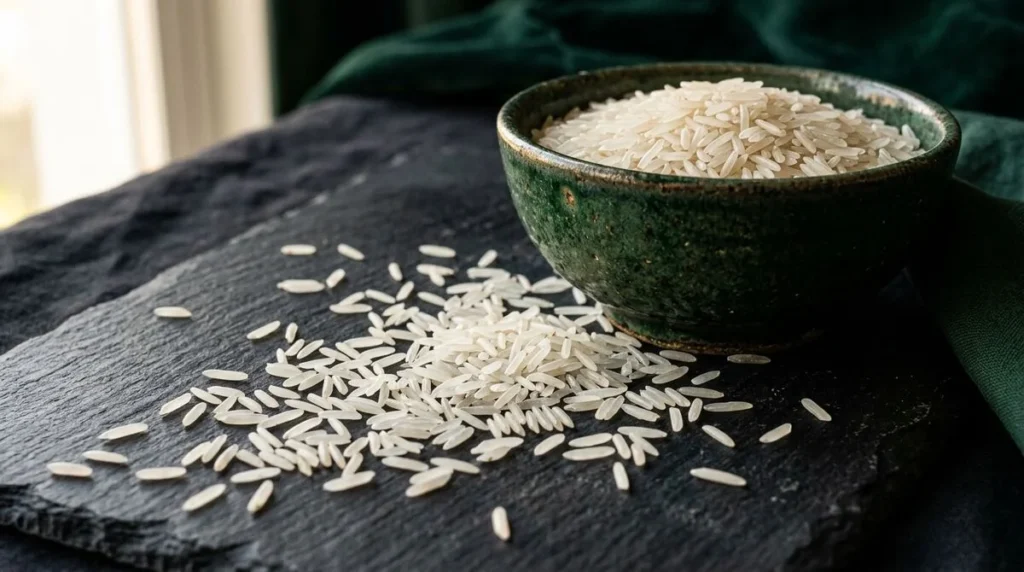
If you’ve ever browsed the premium rice section at a specialty grocery store, you may have come across 1121 Basmati rice. But what sets it apart from other Basmati varieties? And why do chefs, restaurateurs, and home cooks rave about it? This comprehensive guide will cover everything you need to know about 1121 Basmati rice—its origins, unique characteristics, and how to choose, cook, and store it properly.
Understanding 1121 Basmati Rice
1121 Basmati rice is an extra-long grain variety of Basmati rice that originated in India but is now cultivated extensively in Pakistan’s Punjab region. The “1121” designation refers to the cultivar code—essentially a classification system used to identify this specific strain among other Basmati varieties.
What makes 1121 special is its exceptional grain length. When cooked, 1121 grains can elongate to approximately 8.4 millimeters—significantly longer than traditional Basmati rice varieties. This extraordinary elongation, combined with its fine texture and aromatic qualities, positions it as one of the most sought-after Basmati rice varieties in international markets.
Unlike some rice varieties that become sticky or clumpy during cooking, 1121 grains remain distinctly separate – a characteristic prized by both professional chefs and cooking enthusiasts worldwide.
Key Characteristics of 1121 Basmati Rice
Grain Length and Elongation:
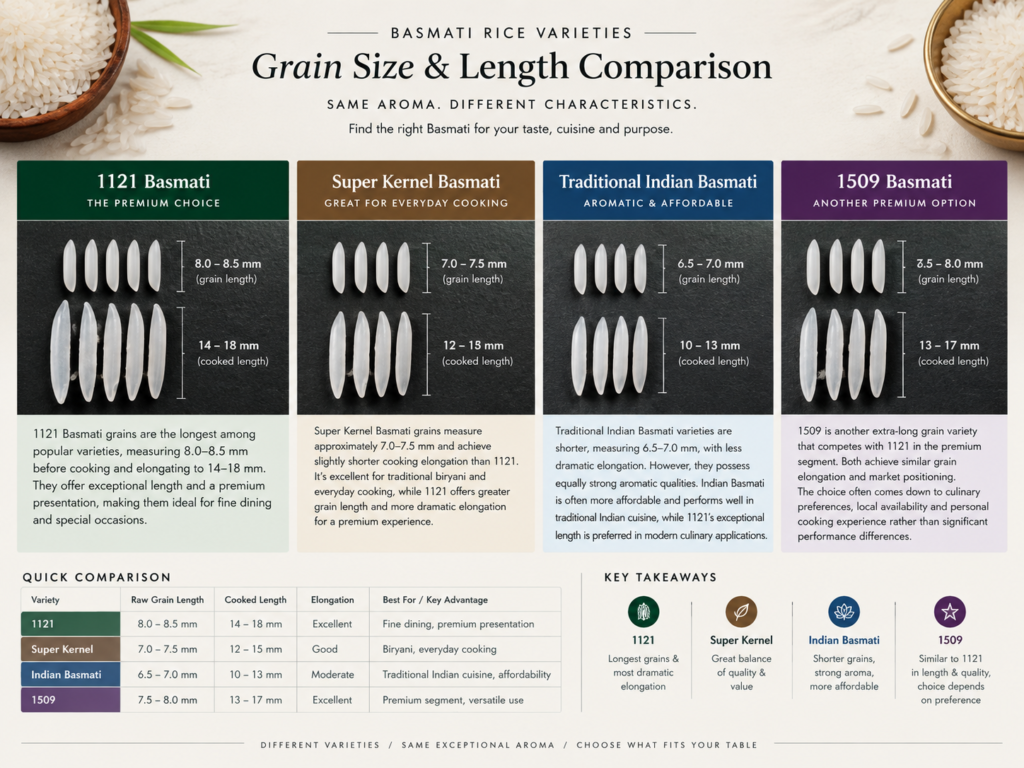
The defining feature of 1121 Basmati rice is its dramatic grain elongation. Raw grains measure approximately 7.5–8.0 millimeters, but when cooked properly, they can stretch to 18 millimeters or more. This exceptional lengthening creates the signature “needle-like” appearance that distinguishes premium Basmati rice.
Aroma and Flavor Profile:
1121 Basmati rice is famous for its delicate, natural fragrance. This aroma comes from compounds that occur naturally in the rice grain, mainly 2-acetyl-1-pyrroline, which develops during the aging process. This subtle, nutty scent enhances the overall eating experience, especially in dishes that are sensitive to fragrance, such as biryani, pilau, and risotto.
Texture and Non-Stickiness:
When cooked correctly, 1121 Basmati rice maintains a firm, slightly tender texture. Each grain remains independently intact without becoming mushy or sticking to neighboring grains. This quality makes it ideal for dishes where individual grain integrity is essential—pilafs, fried rice, and traditional biryani.
Nutritional Composition:
1121 Basmati rice is primarily a source of carbohydrates, providing essential energy. A typical serving of cooked 1121 Basmati contains approximately 43 grams of carbohydrates, 4 grams of protein, and minimal fat. It’s also low in sodium and contains small amounts of essential minerals, including magnesium, phosphorus, and manganese. When part of a balanced diet, it serves as a reliable staple grain.
1121 vs. Other Basmati Varieties
The Basmati rice family includes several distinct varieties, and understanding the differences helps you choose the right rice for your specific culinary needs.
1121 vs. Super Kernel Basmati:
Super Kernel Basmati grains measure approximately 7.5 millimeters and maintain slightly shorter cooking elongation compared to 1121. While Super Kernel is excellent for traditional biryani and everyday cooking, 1121 offers greater grain length and more dramatic elongation, making it the premium choice for fine dining and presentation-focused dishes.
1121 vs. Traditional Indian Basmati:
Traditional Indian Basmati varieties tend to be shorter (6.5–7.0 millimeters) with less dramatic elongation. However, they often possess equally strong aromatic qualities. Indian Basmati is frequently more affordable and performs well in traditional Indian cuisine, while 1121’s exceptional length makes it preferred in contemporary culinary applications.
1121 vs. 1509 Extra Long Grain:
1509 is another extra-long grain variety that competes with 1121 in the premium segment. Both varieties achieve similar grain elongation and market positioning. The choice between them often comes down to specific culinary preferences, local availability, and personal cooking experience rather than significant performance differences.
Quality Grades and Standards
Premium 1121 Basmati Rice is subject to rigorous quality standards that buyers should understand when making purchasing decisions.
Moisture Content:
Quality 1121 Basmati rice should contain 10–12% moisture content. This optimal range ensures proper cooking behavior and shelf stability. Rice with excessive moisture is prone to mold and microbial growth, while rice that’s too dry becomes brittle and may break during handling.
Purity and Broken Grains:
Premium grades of 1121 should contain 99% or higher purity, meaning minimal presence of foreign materials, discolored grains, or impurities. The percentage of broken grains should be less than 2%. Higher-quality products are typically processed through electronic sortex machines that detect and remove imperfect grains automatically.
International Certifications:
Reputable suppliers ensure their 1121 Basmati rice meets international quality standards, including ISO 9001:2015 (quality management), HACCP (food safety), and FDA registration for North American export. These certifications guarantee that the rice has been processed, tested, and handled according to strict global food safety protocols. When sourcing premium 1121 Basmati, look for evidence of third-party laboratory testing from organizations like SGS or Intertek.
How to Cook 1121 Basmati Rice Perfectly
Proper cooking technique is essential to achieve the exceptional results that 1121 Basmati rice promises. Here’s the recommended method:
Rinsing:
Rinse rice under cool running water 3–4 times, gently moving your hand through the grains. This removes excess starch and dust, which helps achieve the non-sticky texture that 1121 Basmati is known for. Continue rinsing until the water runs relatively clear.
Water Ratio and Soaking (Optional):
Use a 1:1.5 water-to-rice ratio (1 cup rice to 1.5 cups water). Soaking the rinsed rice for 20–30 minutes helps grains absorb water evenly and achieve maximum elongation during cooking. However, if time doesn’t permit, you can cook without soaking—the results will still be excellent.
Cooking Method:
Bring water to a boil in a heavy-bottomed pot, add rice, return to a boil, then reduce heat to low. Cover with a tight-fitting lid and simmer for 15–18 minutes. Resist the urge to stir or lift the lid frequently. After the timer goes off, remove from heat and let it rest, covered, for 5 minutes.
Fluffing:
Gently fluff the rice with a fork, lifting and separating grains without mashing. This prevents compacting and maintains the light, non-sticky texture. Transfer to a serving dish immediately.
Culinary Applications
The exceptional characteristics of 1121 Basmati rice make it suitable for a wide range of culinary applications:
Biryani and Pilau: The extra-long grains and non-sticky nature make 1121 perfect for these traditional South Asian dishes where individual grain integrity is essential.
Fine Dining and Plated Dishes: The dramatic elongation and visual appeal make 1121 an excellent choice for restaurant presentations and special occasion cooking.
Fried Rice: The firm texture and non-stickiness prevent mushiness when stir-fried with vegetables and proteins.
Risotto and Paella: Some contemporary chefs experiment with 1121 in Mediterranean dishes for a unique twist on traditional recipes.
Rice Salads: The individual grain separation and subtle flavor profile complement fresh vegetable and vinaigrette-based salads.
Sourcing Premium 1121 Basmati Rice
When sourcing 1121 Basmati rice, whether for home cooking or commercial food service operations, several factors should guide your selection:
Direct Producer vs. Middleman:
Purchasing directly from established exporters and rice mills ensures better pricing, quality control, and transparency. Established producers like Saremco Impex work directly with grain procurement networks and run modern processing facilities with electronic sortex equipment, ensuring consistent quality across shipments.
Certification and Testing:
Always request certificates of analysis from independent third-party laboratories. These documents verify moisture content, purity percentages, grain length, and the absence of contaminants or pesticide residues. For export-grade rice destined for North American or European markets, ensure compliance with FDA and EU Maximum Residue Levels (MRL) standards.
Packaging and Storage Considerations:
Quality 1121 Basmati is typically packaged in food-grade BOPP (biaxially oriented polypropylene) bags or jute sacks that protect against moisture and environmental contaminants. For restaurant and institutional buyers, 25–50-kilogram sacks are common. Ensure packaging is sealed properly and the supplier provides transparent handling documentation throughout the supply chain.
Storage and Shelf Life
Proper storage is critical to maintaining the quality of 1121 Basmati rice over time:
Keep rice in a cool, dry location away from direct sunlight, preferably in an airtight container to prevent moisture absorption and pest infestation. Ideal storage temperature is 15–20°C (59–68°F) with humidity below 12%.
When stored properly in sealed containers, premium 1121 Basmati rice maintains its quality for 12–18 months. Beyond this period, gradual deterioration in aroma and cooking performance may occur.
Avoid storing rice near strong-smelling foods, as rice readily absorbs odors. Keep it away from direct heat sources and areas prone to temperature fluctuations.
Frequently Asked Questions
Q: What’s the difference between aged and non-aged 1121 Basmati rice?
A: Aged 1121 Basmati rice has been stored for 12–24 months after milling, allowing moisture to gradually reduce from 12% to 9–10% and aromatic compounds to concentrate. This results in enhanced fragrance and slightly better elongation. Non-aged rice is milled and packaged more quickly, offering fresher nutritional qualities but less pronounced aroma.
Q: Is 1121 Basmati rice suitable for people with dietary restrictions?
A: Yes. 1121 Basmati rice is naturally gluten-free, making it suitable for people with celiac disease or gluten sensitivity. However, cross-contamination during processing or handling is always a consideration. Ensure your supplier follows strict segregation protocols if this is a concern.
Q: Why is 1121 Basmati rice more expensive than regular rice?
A: The premium pricing reflects superior grain characteristics, specialized processing requirements, extensive quality testing, and international certification. The exceptional elongation and aroma command higher market values, and stricter quality control adds processing costs.
Q: Can I use 1121 Basmati for everyday cooking?
A: Absolutely. While 1121 is premium-grade, it performs excellently for everyday cooking. If the premium price is a concern, many suppliers offer high-quality alternatives like Super Kernel Basmati, which offers good elongation and cooking performance at a lower price point.
Conclusion
1121 Basmati rice represents the pinnacle of premium Basmati rice varieties—combining exceptional grain elongation, delicate aroma, and reliable cooking performance. Whether you’re a home cook preparing a special meal or a professional chef looking to elevate your menu, understanding the characteristics, quality standards, and proper preparation techniques for 1121 Basmati rice empowers you to make informed sourcing decisions and achieve outstanding results.
By sourcing from established exporters who maintain rigorous quality standards, proper certification, and transparent supply chain practices, you can ensure that the 1121 Basmati rice you bring to your kitchen delivers on its premium promise. Its versatility across traditional South Asian cuisine and contemporary culinary applications, along with its visual appeal, makes it a worthwhile investment for better cooking results.
Looking for Premium 1121 Basmati Rice from Pakistan?
Sourcing high-quality 1121 Basmati rice for your business? Saremco Impex supplies premium Pakistani Basmati rice for international markets, with options for bulk export, customized packaging, and private-label requirements.
Our 1121 1121 Basmati rice is processed in Punjab and supported by quality-control and export documentation to help international buyers source with confidence.
Request a quotation today to discuss your required quantity, packaging, specifications, and destination.
→ Contact Saremco Impex for 1121 Basmati Rice Export Inquiries
E-Mail: info@saremcoimpex.com
Contact Number: +92 341 111 5222
+92 341 111 5333
+92 341 111 3555
+92321 646 3001